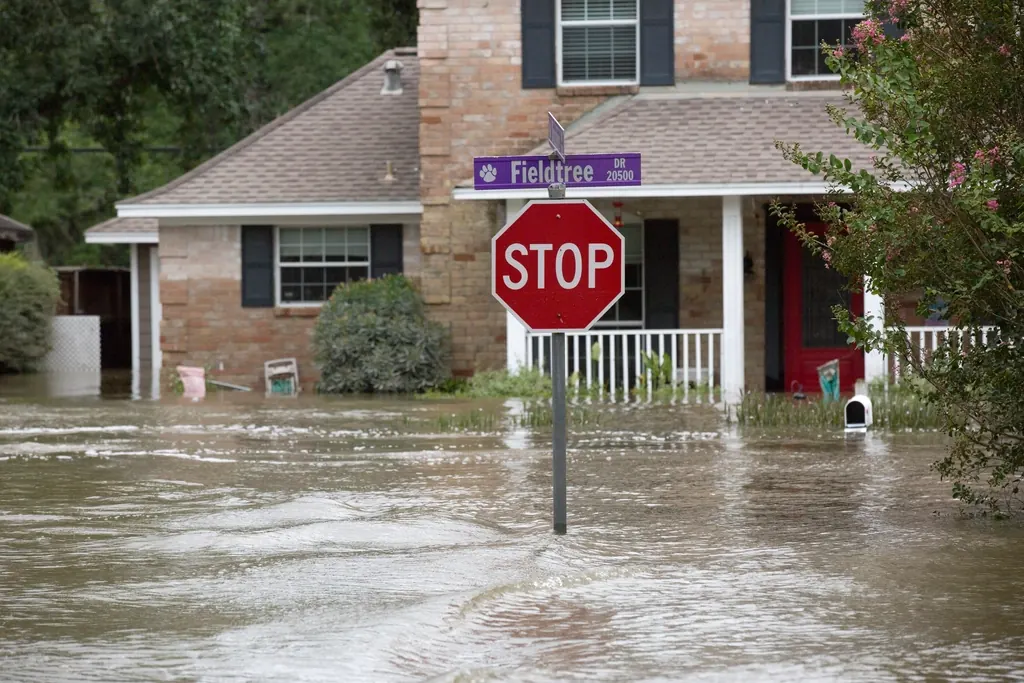
A strong nor’easter can hit the Massachusetts coast with hurricane-force gusts, heavy rain, snow and storm surge, all in the same tide cycle. The back-to-back storms of March 2018 flooded streets in Quincy, Scituate and Marshfield and pushed water into Boston Harbor neighborhoods, while wind tore at roofs and siding inland. For homeowners, the hardest part of the claim is often separating what wind did from what water did.
Why the distinction matters
Standard homeowner policies generally exclude flood, including storm surge and rising water. Flood losses are usually handled through a separate flood policy, such as one from the National Flood Insurance Program or a private flood carrier. Wind damage, on the other hand, is typically covered under the homeowner policy, often subject to a named-storm or hurricane deductible on coastal properties.
So the same storm may involve two policies, two deductibles and two adjusters.
What appraisal can and cannot do here
Whether a particular piece of damage was caused by wind or by flood is generally a coverage or causation question. An appraisal panel values the loss; it typically does not decide which peril caused it. If the insurer has denied part of the claim as flood, a Massachusetts attorney is the right person to advise on that dispute.
Owners are sometimes surprised to learn that their homeowner insurer and their flood insurer may each send a separate adjuster, write separate estimates and pay on separate schedules. On a home in Hull or Scituate that took both wind and water, it is not unusual for one claim to close long before the other.
Where appraisal does help is in valuing the wind damage that the insurer has accepted, such as roof covering, siding, windows and the interior water damage that followed a wind opening.
Documenting wind and water separately
Mark the water line
Photograph the high-water mark inside and outside, with a tape measure in the frame. Damage above that line is harder to attribute to flood.
Look up, not just down
Missing shingles, lifted ridge caps, broken windows and torn cedar shingle siding near the coast point to wind. Interior ceiling stains on upper floors usually came from above, not from rising water.
Keep a storm timeline
Note when wind peaked, when water rose and when you first saw each type of damage. Neighbors’ photos and local reports can help fill gaps.
Checklist for coastal owners
- Report the loss to both your homeowner and flood carriers if both perils may be involved.
- Take dated photos of the exterior from every side before cleanup.
- Save wet materials or photograph them before disposal.
- Keep receipts for tarps, board-up and water extraction.
- Check your declarations page for a named-storm or hurricane deductible.
Coastal homes insured through the Massachusetts FAIR Plan, the Massachusetts Property Insurance Underwriting Association, often carry wind or hurricane deductibles. Private carriers on Cape Cod, Martha’s Vineyard and Nantucket commonly do too. Knowing which deductible applies, and when, is part of reading the estimate correctly. Your declarations page and the deductible endorsement explain the trigger, which may depend on whether a storm was named or declared a hurricane.
If your policy has a percentage deductible, our hurricane deductible calculator shows how it applies to an estimate.
An illustrative split
For example only, picture a Marshfield cottage with a flooded first floor and a damaged roof. The flood carrier handles the first-floor flooring, drywall and contents below the water line. The homeowner insurer handles the roof, siding and an upstairs bedroom ceiling that leaked through a wind opening. If the homeowner insurer prices that roof at $9,000 and the contractor bids $16,000, the gap on the wind portion is the kind of difference an appraisal panel can value. These figures are illustrative only.
Where to go next
Our hurricane and nor’easter appraisal page explains how we handle coastal storm claims, including homes in Plymouth and Barnstable.