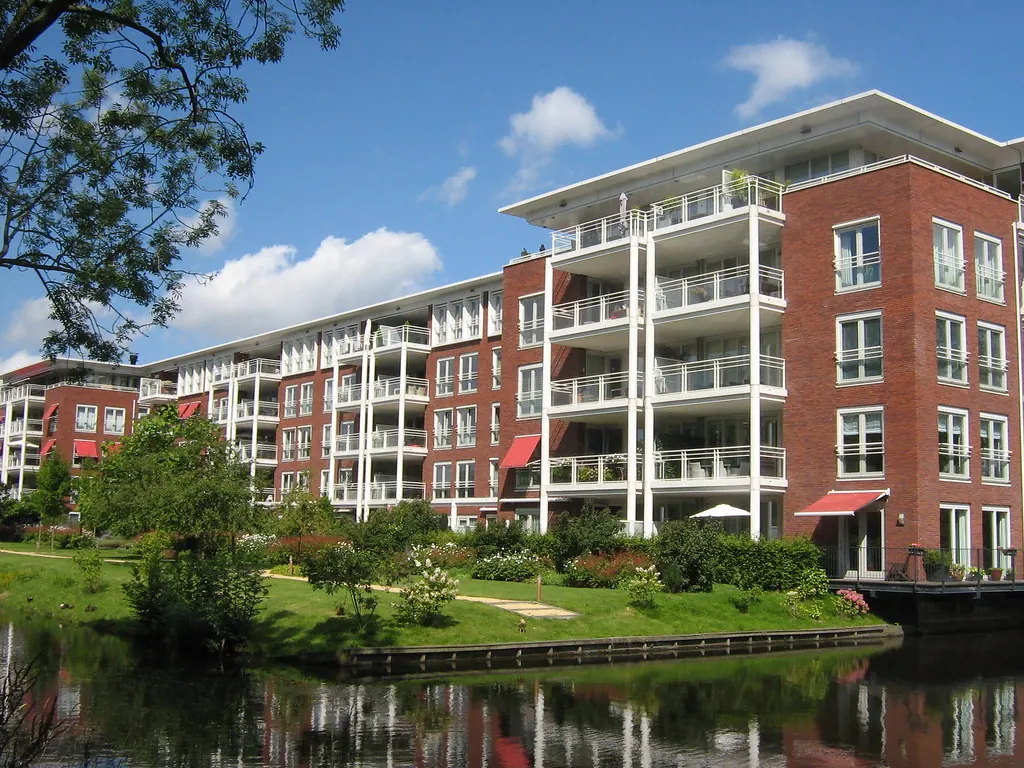
Massachusetts has a large condominium stock, from converted mill buildings in Lowell to brownstone conversions in the South End and garden-style complexes in the suburbs. When water, fire or wind damages a unit, the first question is often not how much the repair costs but whose policy pays for which part.
Two policies, one building
The association usually carries a master policy on the building and common areas. Each unit owner usually carries an HO-6 policy covering personal property, loss of use, liability and, depending on the master policy, some or all of the unit’s interior finishes and improvements.
How far the master policy reaches into each unit varies. Some cover only the bare structure; others include original fixtures and finishes; a few cover improvements as well.
The answer usually sits in two places: the master deed, which defines where a unit ends and the common area begins, and the master policy, which states what the association has insured. In some buildings the unit boundary is the interior face of the drywall; in others it runs to the studs or even includes the windows. Owners of converted mill condos in Lowell and brownstone units in Back Bay often find that their boundary lines are drawn in ways that do not match how they think about their homes.
It is also common for owners to learn about these lines only after a loss. Reviewing the documents and your HO-6 limits before trouble arrives is one of the simplest ways to avoid a coverage gap.
Documents to pull first
- The master deed and bylaws, which define units, common areas and maintenance duties.
- The master policy declarations and any certificate of insurance given to owners.
- Your HO-6 declarations page, including any coverage for loss assessments.
- Records of upgrades you or prior owners made to the unit.
Common friction points
The master deductible
Master policies often carry large deductibles. Associations may pass part or all of that deductible to the unit owner where the loss started, depending on the governing documents. Loss assessment coverage on an HO-6 may help with that charge, subject to its limit.
Improvements and betterments
If you replaced builder-grade cabinets with custom ones, the master policy may only pay for the original grade. The difference often falls to the HO-6, so keep receipts and photos of upgrades.
Water from another unit
A burst pipe on the fourth floor can damage three units below. Each owner, the association and possibly the upstairs owner’s insurer may all have a role. Coordination matters more than speed in these cases.
Where appraisal fits
Before invoking anything, ask the association’s manager or board for the master policy adjuster’s estimate. Unit owners sometimes argue with their own HO-6 carrier about items the master policy has already agreed to pay, or the reverse. Seeing both estimates side by side reveals overlaps and gaps.
Appraisal can be invoked under either policy once the insurer accepts the loss but disputes the amount. An association may use it under the master policy to resolve building repair costs. A unit owner may use it under an HO-6 to resolve the value of finishes or belongings. The panel values the loss under the policy in question; it does not decide how responsibility is split between the association and owners.
An illustrative scenario
For illustration only, imagine a kitchen leak in a Cambridge condo. The master policy carrier offers $22,000 for drywall, flooring and cabinets at builder grade. The owner’s HO-6 carrier offers $4,000 for the upgraded cabinets and countertops. The owner’s contractor believes the upgrade portion is closer to $11,000. The difference on the HO-6 side is an amount dispute that appraisal can address. These figures are hypothetical.
Getting help
Our condo, HOA and commercial appraisal page explains how we work with associations and unit owners, and the insurance terms page defines the vocabulary you will see in these files.