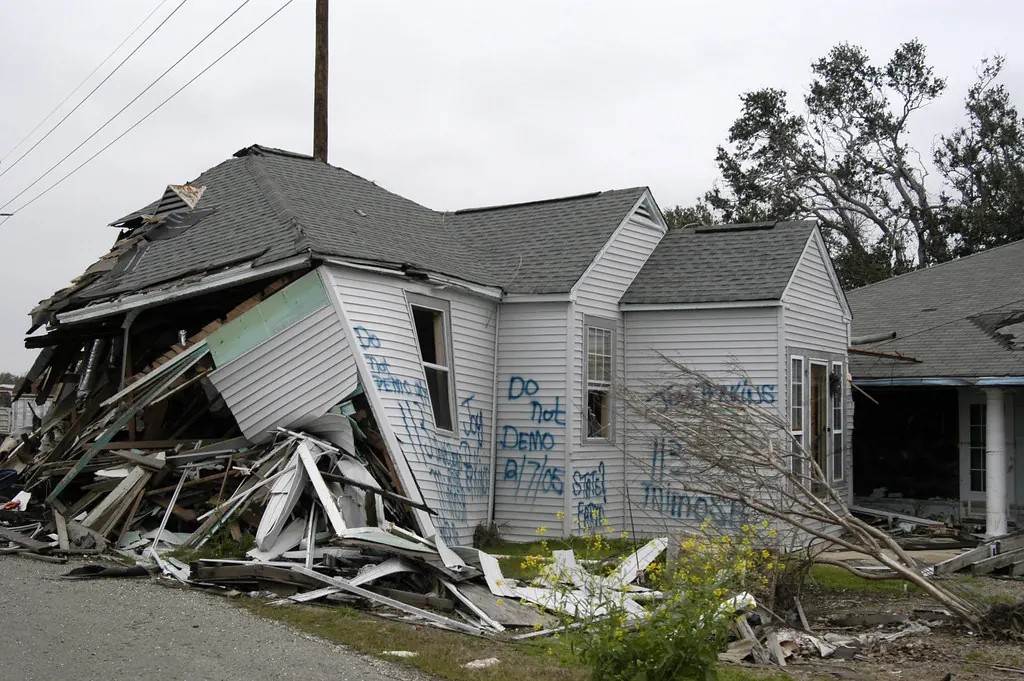
Two kinds of coastal storm
Hurricane claim appraisal in Massachusetts covers both named tropical storms and nor’easters. The Great New England Hurricane of 1938, Hurricane Carol in 1954 and Hurricane Bob in 1991 are the reference points for tropical damage. Nor’easters are more frequent: the Blizzard of 1978, the 1991 Halloween nor’easter and the back-to-back March 2018 storms that flooded parts of Boston Harbor, Quincy, Scituate and Marshfield.
Why the label matters
Many coastal policies carry a hurricane or named-storm deductible, often a percentage of the dwelling limit. Whether it applies depends on how your policy defines the triggering event. A nor’easter may fall under the standard deductible instead. Read the definition carefully; the hurricane deductible calculator shows what a percentage deductible means in dollars.
The MPIUA and coastal coverage
Massachusetts has no separate state wind pool. Coastal homes are insured by private carriers or by the Massachusetts Property Insurance Underwriting Association (MPIUA), the state’s FAIR Plan, which writes a large share of policies on Cape Cod and the Islands. MPIUA policies have their own forms and procedures, so we read the actual policy rather than assuming it matches a private one.
Wind or water?
This is the dispute that defines coastal claims. Standard homeowner policies exclude flood and storm surge; flood is covered, if at all, by an NFIP or private flood policy. Wind and wind-driven rain are typically covered under the homeowner policy. When both hit the same house, each insurer may point at the other.
| Damage | Usually examined under |
|---|---|
| Roof shingles, siding, windows blown in | Homeowner policy (wind) |
| Water line on lower walls, sand and debris | Flood policy |
| Rain through a wind-damaged roof | Homeowner policy, subject to wording |
Appraisal can value the wind portion. Whether a specific item is wind or flood may be a coverage question. Our guide to nor’easter wind versus flood claims goes further.
Coastal construction details
Shingle-style cottages, cedar siding, decks exposed to salt air and homes raised on pilings are common from Chatham to Nantucket. Repair costs are often higher on the Cape and Islands because of travel, ferries and short building seasons. We price for that reality and document it.
- Cedar shingle siding and trim, often hand-nailed and stained to weather.
- Decks, railings and stairs exposed to salt spray and wind.
- Windows and doors rated for coastal exposure.
- Seasonal homes where damage may go unnoticed for weeks.
For seasonal properties, report damage as soon as you learn of it and record when and how you found it. A caretaker’s notes and photos can be very helpful.
We serve Barnstable, Plymouth, Quincy and the rest of the coast.
Common questions
Does a nor’easter trigger my hurricane deductible?
It depends on how your policy defines the event. Many hurricane deductibles apply only to named storms, but wording varies, so check your declarations and endorsements.
Can appraisal decide whether damage was wind or flood?
Appraisal values the amount of loss. Whether specific damage was caused by wind or flood may be treated as a coverage issue, which the panel may not resolve.
Do you work with MPIUA policies?
Yes. We review the MPIUA policy form you hold and follow its appraisal provisions if the amount of a covered loss is disputed.