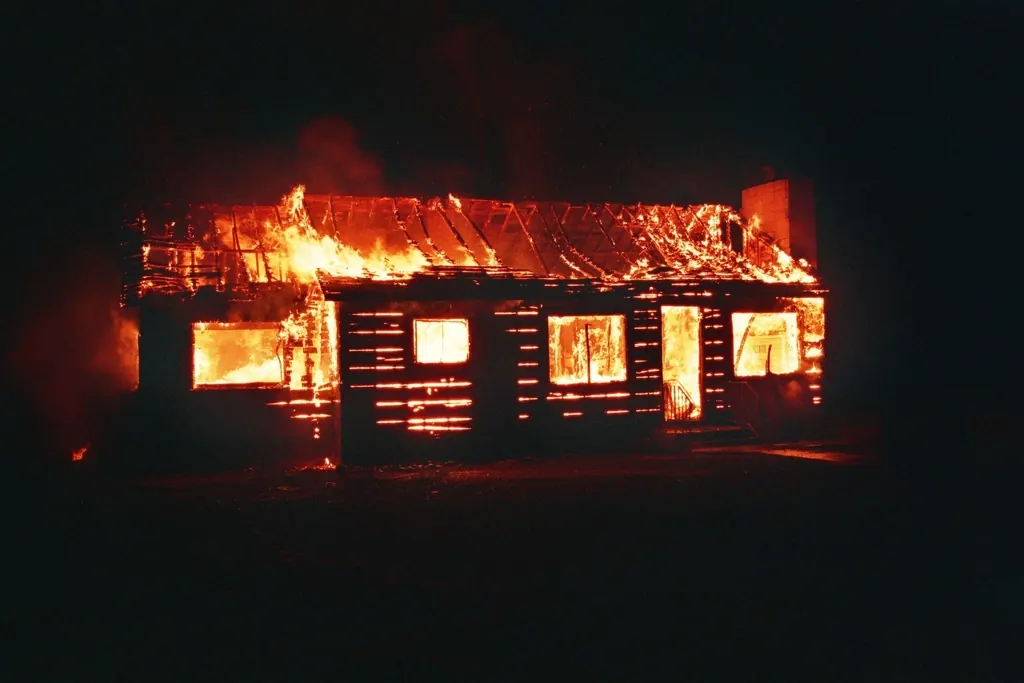
Why fire claims get complicated here
Fire damage insurance appraisal in Massachusetts often involves older wood-frame buildings set close together, especially in cities like Lowell, Lawrence, Worcester and New Bedford. A fire in one triple-decker can scorch the siding of the next house and fill a third with smoke. Water from firefighting adds a second loss on top of the first. The Massachusetts standard fire policy is the historical root of the reference process, so fire losses are where appraisal began.
Structure: the visible and the hidden
Charred framing is easy to agree on. Disputes come from areas that look fine but are not.
- Smoke migration into wall cavities, attics and ductwork.
- Odor that cleaning does not remove, requiring sealing or replacement.
- Heat-damaged wiring, windows and vinyl beyond the burn area.
- Water damage from hoses on floors below the fire.
- Code upgrades triggered once walls are opened.
Clean or replace?
Carriers may propose cleaning where replacement is needed. We document soot type, odor and material condition, and include cleaning where it is reasonable. The panel decides with evidence in hand rather than assumptions.
Contents after a fire
Contents can be a large share of a fire claim and the hardest to document. A room-by-room inventory with ages, quantities and replacement prices is essential. We help organize the inventory and value disputed items, but we cannot recreate records that do not exist.
Step by step on a fire file
- Review the fire department report and the carrier’s estimate.
- Inspect with attention to smoke paths, not just the burn area.
- Coordinate with a hygienist or engineer when the scope needs it.
- Price structure repairs with local labor and code requirements.
- Value the contents inventory line by line.
- Negotiate with the other appraiser and prepare any umpire submission.
Neighboring buildings
When fire spreads between close-set houses, each owner usually makes a claim on their own policy, and the insurers may pursue each other later. Radiant heat can warp vinyl siding and crack windows on a house that never caught fire, and smoke can enter through open windows or vents. If your home was next to a fire, document exterior and interior conditions promptly even if the damage looks minor at first.
Timing and records
Fire claims often involve sworn proof of loss requirements and examinations under oath. Those are legal steps, and a Massachusetts attorney can advise you. Keep a timeline with the claim calendar builder. For multi-family fires, our triple-decker claims guide is a useful companion. We serve Lowell, New Bedford and statewide.
Common questions
Can appraisal value smoke damage in rooms the fire never reached?
Yes, if the dispute is about the amount of smoke damage in a covered loss. Documentation of smoke paths and odor is key.
Do I need a complete contents list?
A detailed inventory makes contents valuation far more reliable. Photos, receipts, bank records and even old social media photos can help.
What is an examination under oath?
It is a formal interview the insurer may request under the policy. It is a legal step, so talk to a Massachusetts attorney before attending.