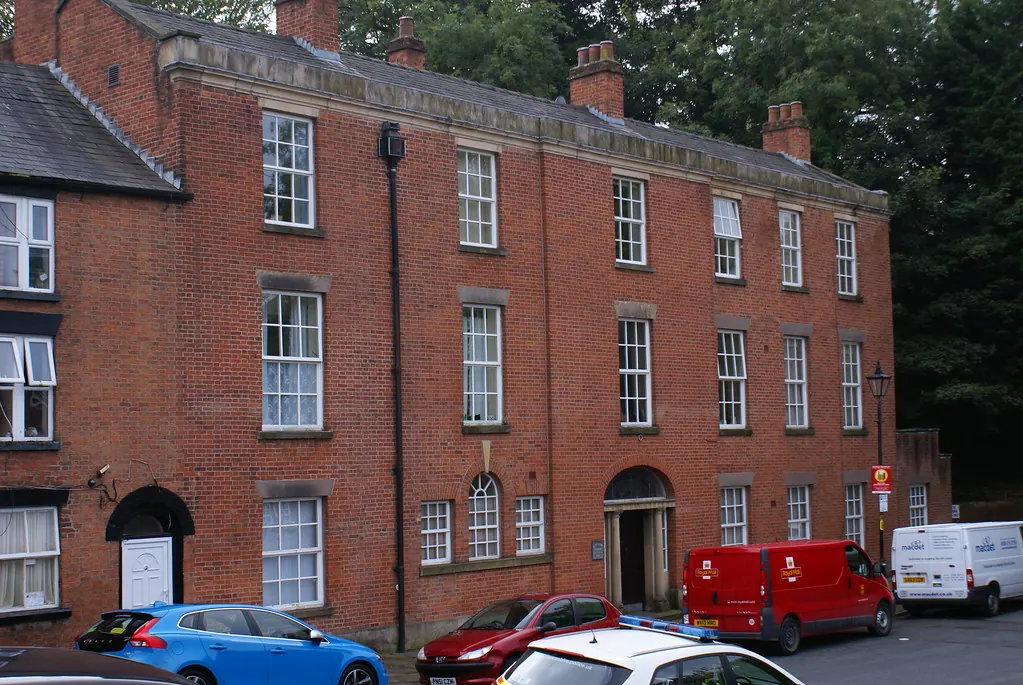
The triple-decker is one of the most recognizable Massachusetts building types. Thousands still stand in Worcester, Dorchester, Lowell, New Bedford and Brockton, many built in the late 1800s and early 1900s. They are practical, durable homes, but when one is damaged, the claim can get complicated quickly.
Why these claims are different
A triple-decker stacks three units under one roof, often with shared stairs, porches and utilities. Water from a third-floor leak runs through two units below. A kitchen fire on the second floor can fill all three with smoke. Owners who live in one unit and rent the others may face both a homeowner claim and lost rental income at the same time.
Policy issues to check
- Policy type. Owner-occupied triple-deckers are often written on homeowner forms; non-owner-occupied ones may be on dwelling fire or commercial forms with different terms.
- Fair rental value. Lost rent from units that cannot be lived in may be covered, subject to limits and time periods.
- Ordinance or law coverage. Older buildings can trigger code upgrades during repairs, and this coverage is often limited.
- Tenant belongings. Your policy typically does not cover tenants’ property; they need their own renters insurance.
Lenders matter too. Many triple-deckers carry a mortgage, and insurance checks are often made payable to both the owner and the lender. Ask your lender early how it releases repair funds so contractors are not left waiting.
Construction details that drive cost
Porches and stairs
Stacked rear porches are common and costly to rebuild. Code requirements for guards, footings and fire separation may affect the price.
Plaster, trim and woodwork
Original plaster and detailed trim cost more to repair than modern drywall and stock moldings. Estimates sometimes price modern materials that do not match the existing finish.
Roofs and siding
Many triple-deckers have low-slope roofs with membrane or rolled roofing, and siding ranging from clapboard to vinyl over original wood. Accurate measurement matters, and our roof area and pitch converter can help check roof quantities.
Keep in mind that tenants may need to move out while repairs happen. Track the dates each unit became unlivable and when it was ready again, and keep copies of leases and rent records. That paperwork supports a fair rental value claim and helps resolve disagreements about how long rent should be paid.
Owners should also keep notes on any work done before the loss. A new roof three years ago, rewiring in the second unit or a recent porch rebuild all affect depreciation and the cost to restore the building. Receipts and permits from the city building department help document that work, and they can matter when the panel discusses age and condition.
Where disputes usually land
Common points of disagreement include how much smoke cleaning or replacement is needed in units away from the fire, whether whole-unit painting is needed, the extent of code work and how long rental income should be paid. Appraisal can resolve disputes over the amount of covered loss, including the value of repairs. Questions about coverage, tenant rights or landlord obligations belong with a Massachusetts attorney.
An illustrative example
For example only, consider a second-floor kitchen fire in a Worcester triple-decker. The insurer’s estimate covers the second floor and spot cleaning on the first and third, totaling $85,000. The owner’s contractor proposes full smoke remediation and repainting of all three units plus porch repairs, totaling $140,000. That gap is an amount question an appraisal panel can weigh. These figures are illustrative, not typical results.
Smoke and soot are a frequent sticking point on triple-deckers because the buildings share open stairwells, chases and attic space. Odor and residue can travel well beyond the room where a fire started, and testing or documented observations of each unit help both appraisers agree on scope.
We work on triple-decker claims in Worcester, Lowell and across the state. See our fire and smoke damage appraisal page for more.