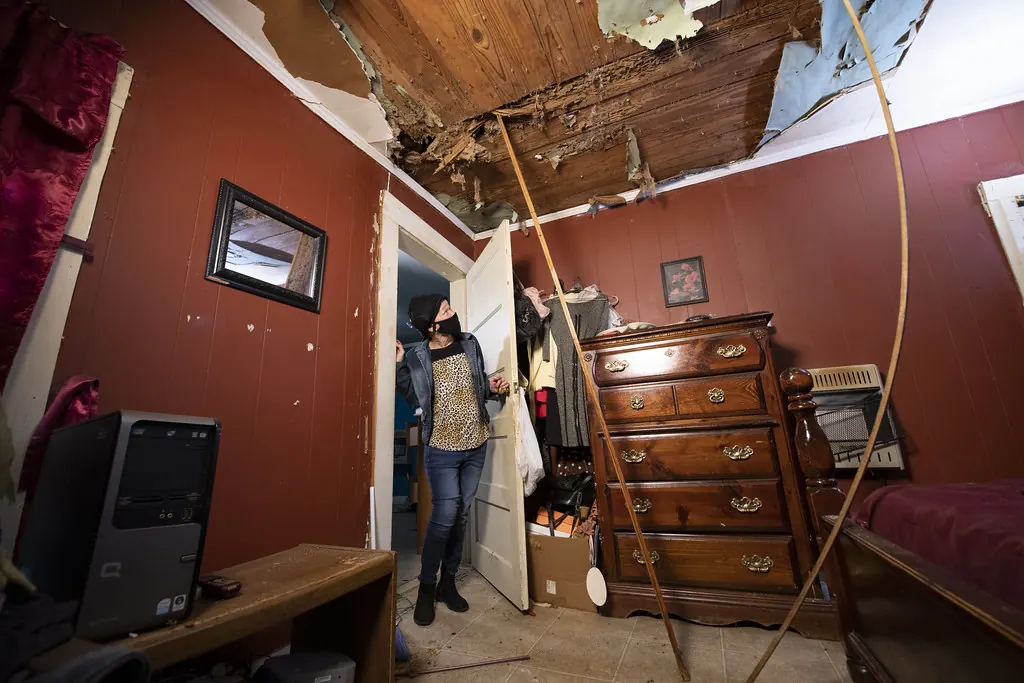
Water damage claim appraisal is about two things: how far the water actually went, and what it really costs to dry out and rebuild. Frozen and burst pipes are the classic Massachusetts winter loss, especially in older houses with plumbing on exterior walls, unheated crawlspaces and seasonal homes on the Cape left empty for the winter.
The sudden versus gradual line
Most homeowner policies cover sudden and accidental discharge but exclude long-term seepage, repeated leaks and neglect. Carriers sometimes argue a burst was actually a slow leak. That is a coverage question. When the insurer accepts the burst but underpays the repair, appraisal is a fit.
Freeze conditions in the policy
Many policies require that you maintain heat, or shut off and drain the water, when a home is vacant or unoccupied. If you were away, read that condition closely, and talk to a Massachusetts attorney if the insurer raises it.
Where the water goes in older houses
- Down balloon-framed wall cavities into floors below.
- Under hardwood and into subfloors, causing cupping weeks later.
- Into plaster ceilings, which can sag and fall well after the leak stops.
- Into insulation, which may need removal rather than drying.
- Across shared ceilings in triple-deckers and condos into a neighbor’s unit.
How the estimate usually falls short
We regularly see estimates that dry one room and ignore the next, replace damaged flooring only to a doorway, or skip the cabinets that were sitting in water. Plaster ceilings priced as drywall, and missing content manipulation or temporary relocation costs, are also common. Your policy’s wording on matching and continuous surfaces matters here, and we document each area so the panel can apply it.
Seasonal homes and vacant properties
Summer houses on the Cape, lake cottages in the Berkshires and homes left empty during an estate sale are especially vulnerable to frozen pipes. A failed furnace or a power outage during a cold snap can lead to a major loss before anyone visits. These claims often raise questions about heat, draining and how often the property was checked. Keep records of winterization, thermostat settings and caretaker visits, and be ready to explain them.
Our approach
- Review the mitigation company’s moisture maps and photos.
- Inspect each affected area and the rooms around it.
- Build a rebuild estimate that follows the water path, priced locally.
- Separate building, contents and additional living expense so limits apply cleanly.
Ice dams cause a different kind of water loss; see ice dam and snow load appraisal. Condo owners should also read about master policy versus HO-6 claims. We serve Brockton, New Bedford and every region of the state.
Common questions
Is mold covered after a burst pipe?
Policies vary widely. Many limit or exclude mold, while some cover mold resulting from a covered water loss up to a sublimit. Check your policy wording.
What if the water damaged my downstairs neighbor’s unit?
Their damage may fall under their policy, the association’s master policy, or yours, depending on the documents and cause. Each policy is handled separately.
Can appraisal include mitigation costs?
If mitigation charges are part of the disputed amount, the panel can generally value them. Keep invoices, drying logs and moisture readings.