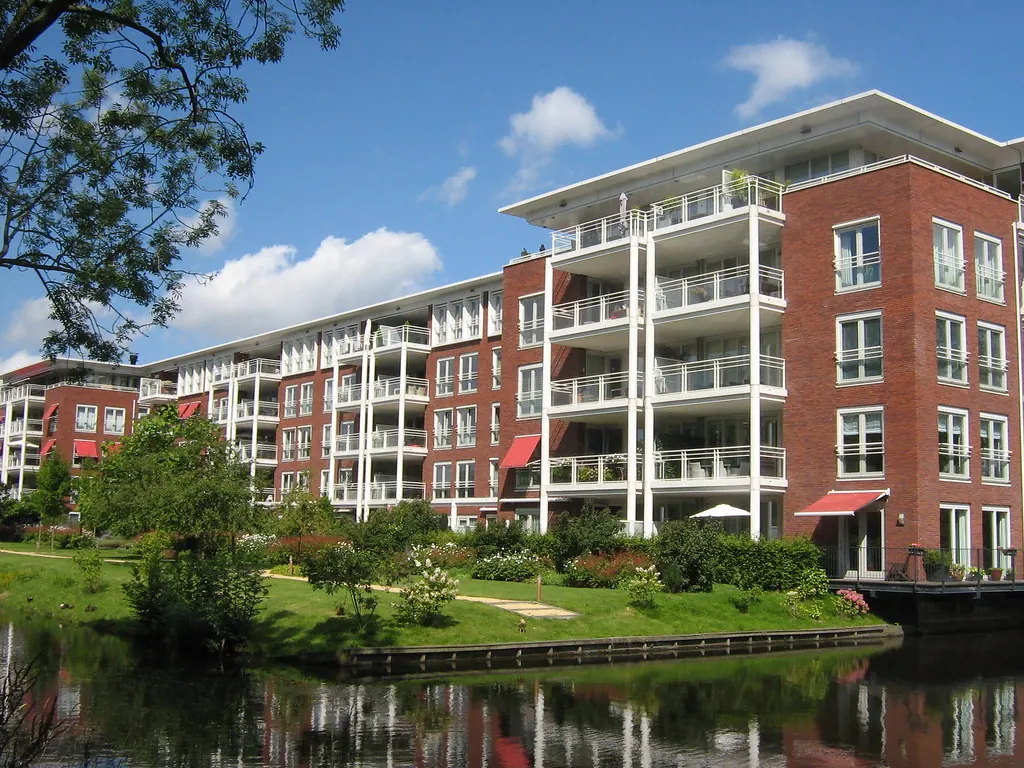
Condo and commercial claim appraisal in Massachusetts usually starts with a question before any measuring: which policy pays for which part of the building? Massachusetts has a large condominium stock, from Back Bay brownstone conversions to garden-style complexes in Framingham and converted mill buildings in Lowell. The master deed and bylaws decide where the association’s responsibility ends and the unit owner’s begins.
The master policy and the HO-6
An association’s master policy typically covers the structure and common elements. A unit owner’s HO-6 picks up what the documents leave to the owner, plus contents and sometimes improvements. After a burst pipe or ice dam, both policies may be in play, and the deductibles can be very different. Our guide on master policy versus HO-6 claims explains the usual friction points.
Assessments after a large deductible
Associations sometimes pass part of a master deductible to the unit where the loss started. Whether that is allowed depends on your documents and on Massachusetts law; ask the association’s counsel. Appraisal values the loss. It does not settle who owes the deductible.
Commercial and mixed-use property
Street-level retail with apartments above is common in Somerville, Cambridge, Quincy and older downtowns from Pittsfield to New Bedford. These claims can mix building damage, tenant improvements and business income. We focus on the physical loss and coordinate with whoever is handling the income side.
- Roof systems: membrane, slate, standing seam and older built-up roofs.
- Masonry and brownstone repair, including repointing and matching.
- Fire separation and egress items triggered by code during repair.
- Elevators, sprinkler heads and fire alarm devices damaged by water.
- Mill-building timber framing, large windows and exposed brick.
How we organize a multi-unit file
We break the loss into areas that match the policies: common elements, each affected unit, and any commercial space. Each area gets its own scope and pricing, then rolls into one summary. That makes it easier for the other appraiser and any umpire to see what is agreed and what is not, and easier for the board to report to owners.
Common sticking points
On association claims, the arguments we hear most often are about uniformity and access. Replacing siding or windows on one elevation of a large building can leave it visibly mismatched, and the policy’s wording on matching becomes important. Staging, lifts, scaffolding and tenant protection on occupied buildings also add real cost that a quick estimate can understate. We document these items clearly so the panel can weigh them rather than guess.
Before you invoke
Get the claim number for every policy involved, the master deed sections on insurance and maintenance, and any engineer or contractor reports. Our appraisal file checkup is a quick way to see what may be missing. We also serve buildings in Cambridge and Lowell, among many others.
Common questions
Can a unit owner invoke appraisal against the master policy?
Usually only the named insured, often the association, can invoke appraisal under the master policy. A unit owner can invoke it under their own HO-6 if that policy has the clause.
Do you handle business income disputes?
Our focus is the physical damage amount. Business income often needs an accountant, and some policies treat it under separate appraisal terms.
How long do condo appraisals take?
It varies with the number of units and how organized the records are. Multi-building complexes generally take longer than a single-family house.